 ChefBook
A meal plan for two sounds easier than planning for a family, and in one way it is: there are fewer people to please. But couples hit their own problems. Recipes serve four, so you either double-dip on leftovers or waste half. Two people have two sets of preferences and usually two different schedules. And the planning tends to land on one person, which is where the arguments start.
Here is a weekly system built for two.
Why most recipes are perfect for two people
Most recipes serve four. For a couple, that is not a problem — it is two dinners, or one dinner and two lunches. The key is deciding that before you cook, not discovering it afterwards.
A good meal plan for two uses three kinds of night:
| Night type | What happens | How many per week |
|---|---|---|
| Cook-double | Cook a 4-serving recipe; eat 2 portions, keep 2 | 2–3 |
| Leftover | Eat what a cook-double night produced | 2 |
| Fresh-for-two | Something best cooked fresh: fish, stir-fry, eggs | 1–2 |
That gives you five or six dinners from only three or four cooking sessions. Cooked leftovers keep 3 to 4 days in the fridge, per the FoodSafety.gov storage chart, so plan the leftover night within that window, or freeze the spare portions straight away.
Split the planning, not just the cooking
The quiet source of tension in most couples’ kitchens is the “mental load”: one person always deciding what’s for dinner, writing the list and noticing that the milk is out. Fix the process, not the person:
- Each of you picks two or three dinners for the week. No vetoes on the other person’s picks, only swaps.
- Whoever didn’t plan does the shop, from the list.
- Alternate cooking nights, or one cooks and the other cleans.
- Keep a shared collection of “yes” recipes — dishes you both like — so planning starts from a shortlist, not a blank page.
That last point is where a recipe app helps. In ChefBook you can keep a cookbook of recipes you both like, which turns Sunday planning into picking from a list. The guide on organizing recipes digitally shows how cookbooks work.
When you like different food
Different tastes don’t need two separate dinners. Use build-your-own meals where the base is shared and the finish is personal:
- Tacos or wraps — one protein, two sets of toppings.
- Rice or grain bowls — shared base, separate sauces.
- Pasta — one sauce, add chilli or extra vegetables at the table.
- Traybakes — split the tray: one half spicy, one half plain.
For dietary differences (one vegetarian, one not), cook the vegetarian version as the base and add a separately cooked protein for the other plate.
A sample weekly meal plan for two
| Day | Dinner | Type |
|---|---|---|
| Monday | Chicken and chickpea curry (4 servings) | Cook-double |
| Tuesday | Curry leftovers with flatbreads | Leftover |
| Wednesday | Salmon, potatoes and green beans | Fresh-for-two |
| Thursday | Lentil and vegetable bolognese (4 servings) | Cook-double |
| Friday | Takeaway or eat out | — |
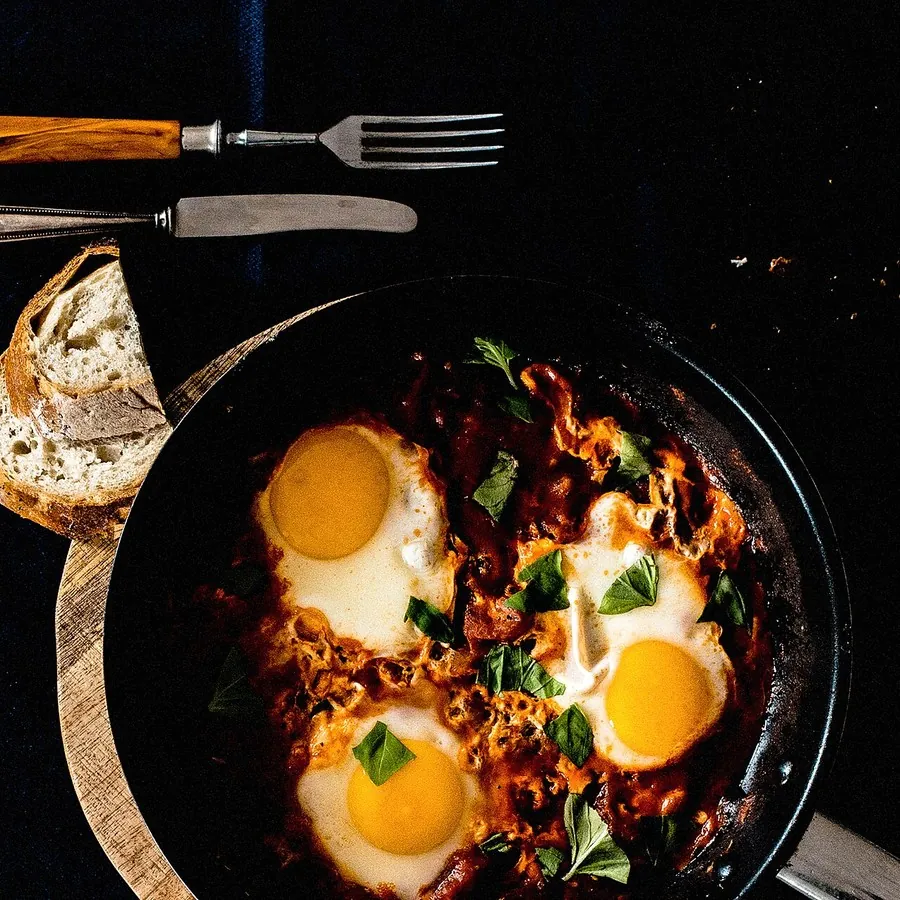
| Saturday | Shakshuka with bread | Fresh-for-two |
| Sunday | Bolognese leftovers, or bolognese bake | Leftover |
Four cooking nights, one night off, and the curry and bolognese also cover a lunch if you want.
Shopping for two without waste
The two-person shop has one trap: buying the family pack because it is cheaper per kilo, then throwing half away. Some rules of thumb:
- Combine duplicates across recipes: if two dinners each use half an onion, buy one onion.
- Choose recipes that share fresh ingredients, so a bunch of coriander covers both the curry and the bolognese garnish.
- Buy perishables loose and long-lasting things in bulk.
Writing the combined list by hand is the tedious bit. In ChefBook, the meal planner sends every planned ingredient to the grocery list in one tap, grouped by recipe, so you can see where each item came from. For the manual method, see how to make a grocery list.
Make the plan visible
A plan only works if both people can see it. A whiteboard on the fridge is fine. If you plan in ChefBook, the week is on your phone wherever you are, and on iPhone, the Today’s Menu home-screen widget shows tonight’s dinner without opening the app. The weekly meal planning guide explains the Sunday routine that makes it stick.
If one of you is often away, the post on meal planning for one covers the single-portion tricks.
Questions people ask
How do you meal plan for two people?
Cook four-serving recipes on two or three nights and eat the spare portions as leftovers, add one or two fresh-for-two meals, each pick a few dinners for the week, and shop once from a combined list.
How many meals should a couple plan per week?
Five or six dinners from three or four cooking sessions is a realistic target. Leave one night unplanned for eating out or using up what’s left.
How do you cook a recipe for 4 for 2 people?
Either halve it, or cook the full amount and plan the other two portions as tomorrow’s dinner or lunches. Halving works well for savoury dishes; baking and egg-based recipes are trickier — see how to scale a recipe.
What do you cook when you both like different things?
Shared-base meals: tacos, grain bowls, pasta or traybakes where each person finishes their own plate with different toppings or sauces.
Keep every recipe in one place
ChefBook is free on the App Store and Google Play — save your first recipe today.
phone camera