 ChefBook
Christmas Day 2026 is a Friday, so most hosts get a long weekend and a busy week before it. Supermarkets will be at their worst on Wednesday the 23rd and Thursday the 24th. This planner gets your shopping done before then and spreads the cooking across the week.
It works whatever you serve: turkey, ham, a beef roast, goose, fish on Christmas Eve, or a fully vegetarian table.
Early November: decide the shape of the week
Before choosing recipes, write down every meal you’ll be feeding people, not just Christmas dinner:
- Christmas Eve dinner
- Christmas morning breakfast
- Christmas lunch or dinner (the main event)
- Boxing Day / December 26 meals
- Snacks and baking for visitors
Then put a headcount next to each one. Five people at breakfast and twelve at dinner need two different shopping lists. Note dietary needs (vegetarian, gluten-free, allergies, small children) next to the guest names, not in your head.
In ChefBook this maps onto the weekly meal planner. Drop recipes into the breakfast, lunch, dinner and snack slots for December 24–26, and the whole week is visible on one screen.
Mid-November: choose the menu
A good Christmas menu has one showpiece and everything else easy. For each slot, ask:
- Can it be made ahead? Desserts, sauces, stuffings, soups, gravy bases and most baking can.
- Does it need the oven on the day? Count these. If it’s more than the main plus two sides, swap something for a stovetop, slow cooker or no-cook dish.
- Is it tested? Christmas Day is not the day to try a new recipe on twelve people. Do a trial run on an ordinary weekend in November.
Keep all the chosen recipes in one “Christmas” cookbook. Next year you’ll start from a finished menu with your notes on it, and not from scratch. See organising family recipes digitally for how to set that up so the whole family can use it.
Late November to early December: order and stock up
- Order the main (turkey, goose, ham or roast) from a butcher or supermarket if you want a specific size or cut. Popular sizes sell out.
- Plan your fridge space. A whole bird or large roast, plus drinks and make-ahead dishes, needs more room than most fridges have in December. Clear it a few days before, and remember a cool garage is not a safe fridge.
- Buy the non-perishables: flour, sugar, spices, dried fruit, nuts, chocolate, stock, oils, wine and drinks, foil, baking paper and freezer bags.
The easiest way to build this list is to send the whole planned week to your grocery list in one tap. Nothing gets forgotten because one recipe lived on a different site. Our guide to making a grocery list from recipes walks through it.
The baking calendar (December 1–20)
Baking is the most make-ahead part of Christmas. Spread it out:
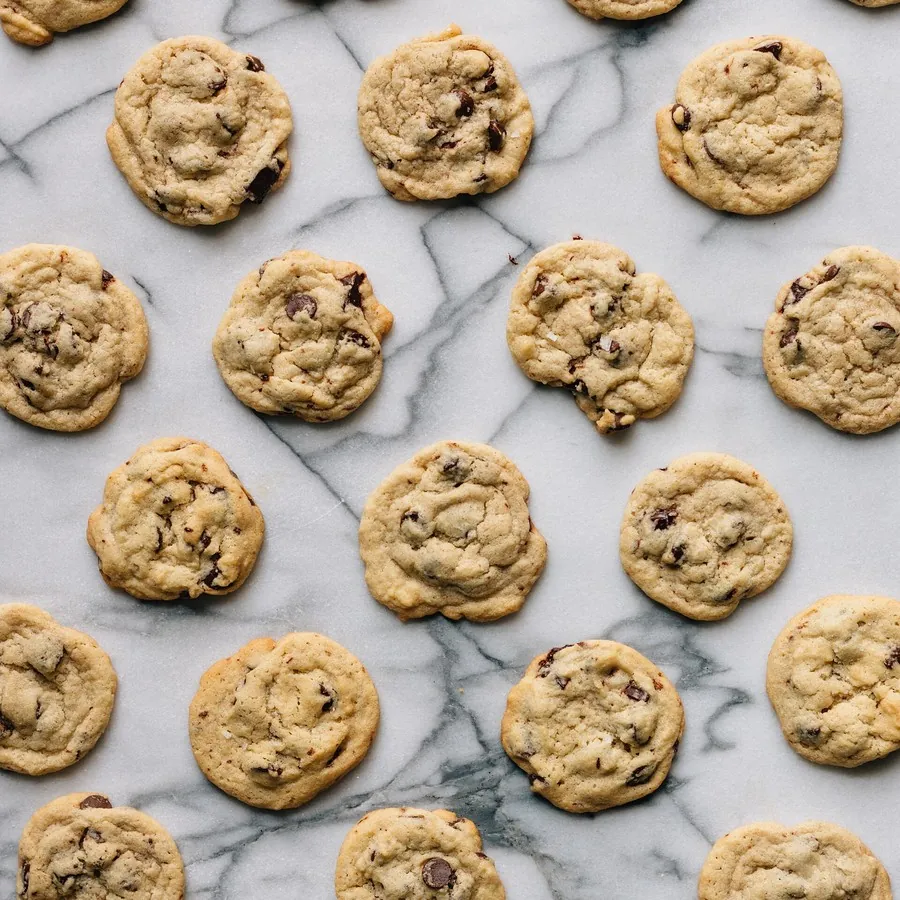
- Cookie doughs for many cookies freeze well as logs or scooped balls. Bake from frozen in the week before Christmas.
- Fruit cakes and similar are made weeks ahead by tradition.
- Pie and tart pastry freezes well, wrapped tightly.
- Bake the cookies themselves in the last week, so they’re fresh for visitors.
A shared family cookbook is useful here. The one cookie recipe everyone asks for every year should live somewhere you can find it in December.
December 21–23: second shopping wave and prep
- Monday the 21st or Tuesday the 22nd: buy the perishables, like fresh vegetables, herbs, dairy, bread and seafood for Christmas Eve, before the last-minute rush.
- Thaw anything frozen in the fridge, allowing plenty of time. A frozen turkey takes about a day for every 4 to 5 pounds in the fridge, according to the USDA. Count back from the 25th.
- Wednesday the 23rd: make sauces, gravy base, cranberry sauce and desserts. Peel and chop vegetables and store them in water or sealed containers in the fridge.
December 24: Christmas Eve
Keep it simple. Make it one dish that cooks while you finish prep for the next day, or something that’s already in the freezer.
Before bed:
- Set the table.
- Write the oven schedule for Christmas Day on paper, worked backwards from serving time.
- Take out serving dishes and utensils, and label which dish goes in which bowl.
December 25: the oven schedule
Pick the time you want to eat and count back:
- The main. Look up the cooking time for your size and cut, add about 30 minutes of buffer, then add resting time. Large roasts and birds need to rest before carving.
- The resting window is when your oven is free. Use it for roast potatoes, stuffing and anything that needs high heat at the end.
- Everything else goes on the stove, in a slow cooker, or is served cold.
Cook to temperature, not to the clock. Poultry is safe at 165°F. For other meats, check the official safe minimum internal temperatures chart. A reliable instant-read thermometer is the best Christmas kitchen gadget you can buy.
On the day, a step-by-step view helps when your hands are covered in butter and the timer is going off. ChefBook’s Cook Mode keeps the screen awake and shows each step large, with timers alongside (Cook Mode and timers are Premium).
December 26 and after: leftovers
Get leftovers into the fridge within two hours of serving. Plan one or two leftover meals into the week (a pie, a curry, sandwiches, a soup from the carcass) so they get eaten, not binned. For turkey ideas see what to do with leftover turkey.
Common questions
When should I start planning Christmas dinner?
Early November for a big gathering. That leaves time to order the main, test new recipes and spread the baking out.
How do I plan Christmas dinner on a budget?
Fix the headcount first and plan around it. Choose one main and cheaper sides (root vegetables, potatoes, cabbage, stuffing). Buy non-perishables early, and plan leftover meals in advance so nothing is wasted.
What can be made ahead for Christmas dinner?
Gravy base, cranberry sauce, stuffing, desserts, cookie doughs, pastry and soups, plus all the vegetable prep. Roast potatoes can be par-boiled the day before and roasted on the day.
Is there a Christmas dinner planner app?
Any meal planner works if it lets you place recipes on specific days and build a shopping list from them. ChefBook does both: plan Christmas Eve to Boxing Day in the weekly planner, then send every planned ingredient to one grocery list. See weekly meal planning for beginners for the basics.
Keep every recipe in one place
ChefBook is free on the App Store and Google Play — save your first recipe today.
phone camera